
English| EUR
Suggested for you
More currencies
Choose a language
Mount Tarawera's summit trek crosses active volcanic terrain that last erupted in 1886, reshaping the landscape into a route that challenges both lungs and legs. The hike demands endurance across loose scoria, exposed ridges, and sustained elevation gain. This guide breaks down what the trail asks of you and how to prepare for it.
Quick answer
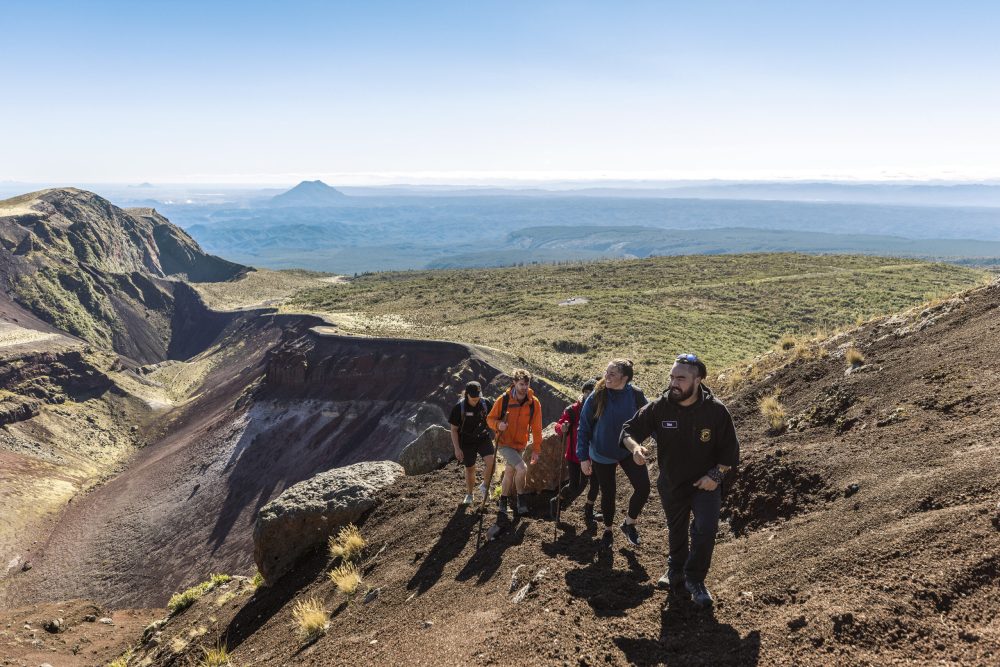
Mount Tarawera hike difficulty sits at a moderate-to-challenging grade, requiring reasonable fitness and stamina for the 4–5 hour round trip. The route climbs approximately 650 meters over volcanic scoria and exposed ridgelines, with sections of loose footing and minimal shade. While the trail does not require technical climbing skills, the sustained elevation gain and uneven terrain make it unsuitable for beginners or those with mobility limitations.
The 1886 eruption of Mount Tarawera tore a 17-kilometer rift across the volcano, leaving behind the raw, unstable terrain that defines the hike today. Unlike forest trails with switchbacks and packed earth, this route climbs directly over volcanic debris—scoria fields that shift underfoot and absorb energy with every step. The ascent begins at approximately 400 meters above sea level and reaches the summit crater rim at just over 1,100 meters, a vertical gain that tests cardiovascular endurance more than technical skill. Loose rock replaces groomed paths, and the exposed ridgeline offers no shelter from wind or sun, particularly during the midday window when most guided groups make the climb. Fitness requirements center on sustained uphill movement rather than short bursts. The trail does not pause for flat sections or downhill relief until the return descent. Hikers who manage 60–90 minutes of continuous moderate exertion—brisk walking, stair climbing, or cycling—typically complete the ascent without excessive fatigue. Those unaccustomed to elevation gain or prolonged physical output often find the final ridgeline section, where altitude and wind combine, the most demanding segment. The descent, while shorter in duration, requires controlled footing across the same loose scoria, placing strain on knees and ankles. Terrain type matters as much as distance. Volcanic scoria behaves differently from soil or gravel, offering less grip and more slide. Footwear with deep tread and ankle support becomes essential rather than optional. The trail surface does not compress into a stable path; each step sinks slightly, requiring deliberate placement and balance. Weather compounds difficulty—wind speeds increase with altitude, and rain turns scoria into slick, unstable footing. Cloud cover can obscure the summit crater, reducing visibility to meters and removing natural waypoints. The guided-only access model exists because the trail lacks formal markers, emergency infrastructure, or maintained rest points. Operators assess conditions daily and may adjust routes or cancel departures based on volcanic activity, weather, or ground stability. Groups typically include hikers of mixed fitness levels, and guides set a pace that accommodates the majority while ensuring safe summit arrival and return within daylight hours. The trek demands preparation—hydration systems rather than single bottles, layered clothing for temperature shifts, and caloric reserves for sustained energy output. Mount Tarawera hike difficulty reflects its volcanic origins, where natural forces shaped a route that prioritizes endurance, balance, and respect for unstable ground over technical climbing prowess.
“The ascent gains 650 meters over volcanic scoria that shifts underfoot, testing endurance more than technical skill.”
The best arrival window is 08:00–16:00 to ensure optimal lighting and weather for volcanic summit visibility. Timing your visit within this period mitigates risks associated with wind and cloud cover on the exposed crater rim.
Stable with temps 18°C–24°C
Warm conditions offer clear views but require high hydration levels.
Variable, 12°C–18°C
Cooler temperatures reduce exertion stress during the steep crater ascent.
Unstable, 5°C–12°C
Potential for frost or light snow increases technical difficulty and requires gear.
Windy, 10°C–16°C
Higher wind speeds can affect summit accessibility and visibility.
Verdict: The best time to visit is during the summer or autumn months, arriving between 08:00–16:00 for the most reliable volcanic visibility.
Effective preparation for Mount Tarawera requires focus on stability and endurance for navigating unique volcanic terrain.
Wear sturdy, high-traction hiking boots to manage loose volcanic scoria and scree that can cause foot fatigue. Trail runners often lack the necessary ankle support for these uneven slopes
Utilize adjustable trekking poles to distribute weight and increase stability during steep ascents and descents. These are particularly useful when navigating the soft, shifting surface of the volcanic crater rim
Prioritize eccentric leg training such as lunges and step-downs to prepare muscles for the sustained descent on soft ground. This conditioning reduces the impact on joints when moving across loose volcanic material
Implement a moisture-wicking base layer and a windproof outer shell to manage rapid temperature shifts at the summit. The exposure at this altitude can lead to quick cooling even on clear days
Pack sufficient water and high-energy snacks as the lack of shade increases fluid loss during the climb. Maintaining steady hydration is essential for managing physical output in volcanic environments.
Mount Tarawera is located on private Māori land and is not accessible to the public independently. Entry is strictly regulated and requires participation in a managed guided tour.
Verdict: While the mountain has no public entrance fee, you must pay for a guided tour to gain access, with costs varying based on the specific operator and package chosen.
Mount Tarawera is accessible daily, with tours operating throughout the week to accommodate visitors interested in exploring the volcanic landscape.
Everything you need to know about mount tarawera hike difficulty
The mount tarawera hike difficulty is generally considered moderate, primarily due to the loose scoria and volcanic terrain found near the summit. Hikers should expect uneven surfaces that require stable footing and a reasonable level of fitness.
While accessible to those with a moderate fitness base, the mount tarawera hike difficulty can be challenging for those not accustomed to steep, volcanic ash slopes. Proper footwear is essential to manage the ascent safely.
Weather conditions such as high winds or low visibility significantly impact the mount tarawera hike difficulty by making the ridge paths more hazardous. Always follow the instructions of your professional guides who monitor these conditions closely.
When compared to other Rotorua landmarks, the hike requires more focus on technical footing because of the shifting volcanic gravel. Despite this, the guided nature of the experience ensures that hikers are well-supported throughout the trek.
Children can participate if they are physically prepared for the mount tarawera hike difficulty and sustained walking on soft, loose surfaces. It is recommended to check with the tour operator regarding age-appropriate requirements before booking.
Because access is restricted to private land, all visitors must join a professional excursion to reach the summit. These guides manage the pace and route, effectively helping you navigate the terrain regardless of the perceived mount tarawera hike difficulty.